
Resource Profiles
New Resource Search
← Return to Find Resources | MTSS
Resource Results
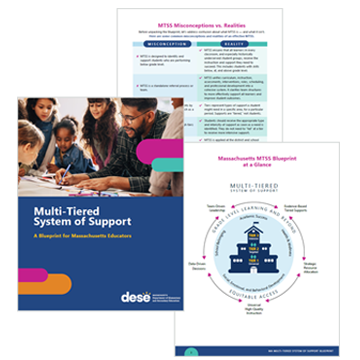
2025 Massachusetts MTSS Blueprint
The updated 2025 Massachusetts MTSS Blueprint unpacks MTSS from three perspectives: why it is important, what it entails, and how to approach implementation. It reflects a holistic view of student development and MTSS implementation lessons from the field and research.
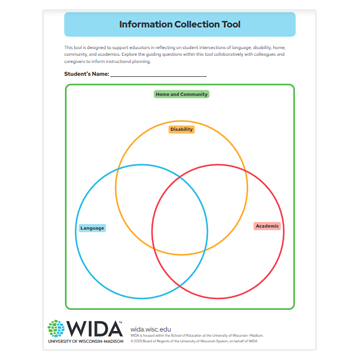
Tools for Supporting Multilingual Students with Disabilities - WIDA
Access practical tools and instructional planning videos on how to address both language and disability and plan effective student supports.
MA DESE English Language Education Targeted & Focused Monitoring Tool
Use this module to learn about 12 key criteria for English learner education (ELE) programs in Massachusetts and access tools and resources to help design and improve programming.
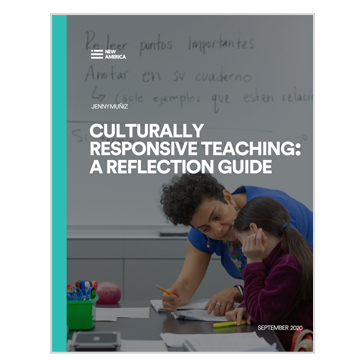
Culturally Responsive Teaching: A Reflection Guide
This resource provides a framework of 8 competencies for culturally responsive teaching, with reflection questions educators can use to refine their practice.
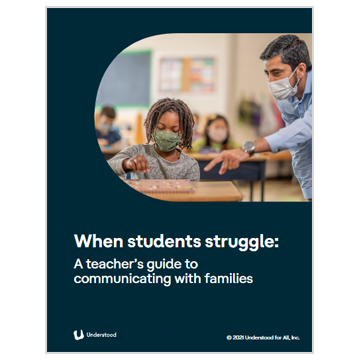
When Students Struggle: A Teacher’s Guide to Communicating with Families
This guide covers important guiding principles and overarching tips as well as specific conversation starters teachers can use.
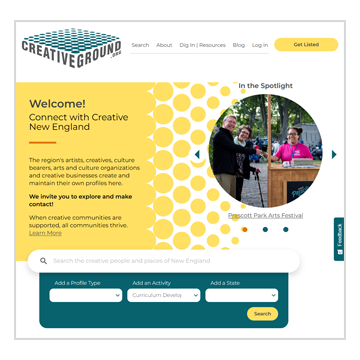
Creative Ground
CreativeGround is a project of the New England Foundation for the Arts (NEFA.) It provides a dynamic regional directory of New England's creative people and places. Search by type of organization, activity, or state to find potential creative partners; for example, organizations that support curriculum development, summer learning, etc.
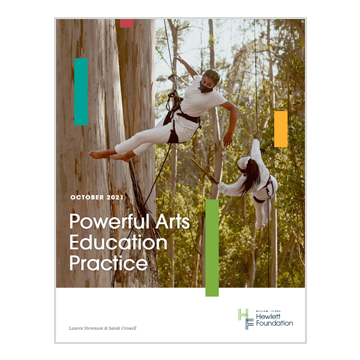
10 Dimensions of Powerful Arts Education Practice
This short, thoughtful resource provides a great reminder of the role arts can play in your school community. Each of the 10 dimensions includes examples of practices you might see or feel.
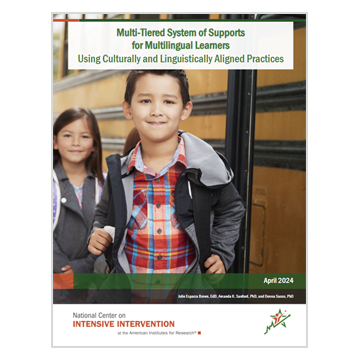
Multi-Tiered System of Supports for Multilingual Learners
The guide addresses a critical gap in traditional school models: the tendency to misidentify language acquisition as a learning disability and over-refer MLs for special education services. It advocates for a culturally and linguistically-aligned lens to ensure that multilingual learners receive support that respects their primary language and cultural background.
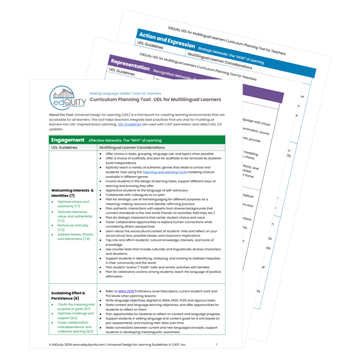
UDL for Multilingual Learners Tool
This helpful tool illustrates how educators can crosswalk UDL 3.0 guidelines to research-backed practices for supporting multilingual learners. it’s not an exhaustive look but is a great jumping off point which teachers can customize for their students and content area.
The Ultimate Guide to UDL
This great round up of resources compiled by Katie Novak, a UDL leader in Massachusetts and beyond, covers a huge amount of territory: UDL basics and video explainers, common misconceptions, a UDL implementation rubric, a UDL assessment flowchart, what to look for to evaluate UDL implementation in classrooms, recommended books and much more.
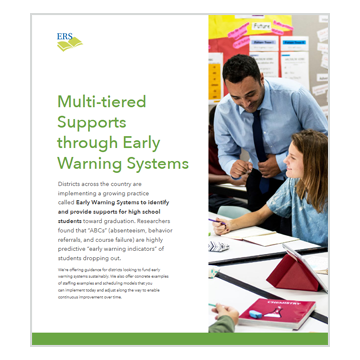
Multi-Tiered Supports through Early Warning Systems (High School)
This resource focuses on implementing early warning systems, with a focus on the “ABCs” (absenteeism, behavior referrals, and course failure) which are highly predictive indicators for dropping out. Includes staffing, scheduling, and other resource shift examples, and highlights “do now” and “build toward” practices.

Targeted Academic Supports for High School Students
This guide focuses on ways high schools can provide additional instructional time and targeted attention for students who need more intensive support. It focuses on two of four primary models — flex blocks and “double dose” courses — with concrete examples of scheduling, staffing, and resource allocation strategies for the two featured approaches. The guide also provides links to resources on two other promising practices — acceleration academies and high dosage tutoring.
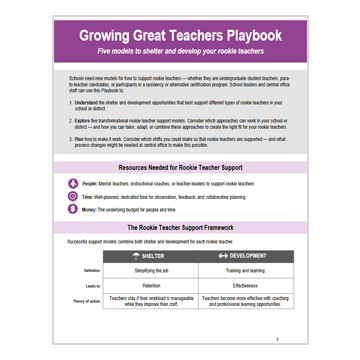
New Teacher Toolkit: Support for New Teachers
This robust new teacher support resource collection includes a Growing Teachers Playbook with five models for sheltering and developing rookie teachers, a video featuring teachers talking about their first year as a teacher, a tool to assess if your school has established the conditions for growing great teachers, case studies, and much more.
Elementary Instructional Planning Guide
This guidebook helps elementary school leaders and teams create a schedule that supports the school’s values and priorities. It focuses on 4 key decision points and provides a variety of scheduling examples.
Sustaining High-Quality Instructional Coaching in a Challenging Budget Environment
This practical resource compares the costs of different coaching models and options for shifting and prioritizing coaching investments.
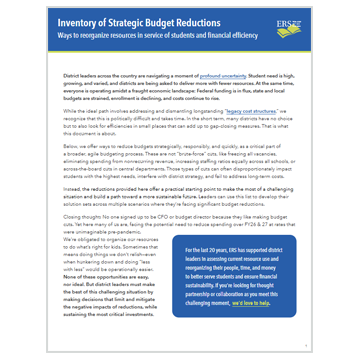
Guide to Strategic Budget Reductions
This ERS resource helps leaders navigate the complex school funding landscape and identify strategic, targeted budget reductions while addressing legacy cost structures that make take more time to address.
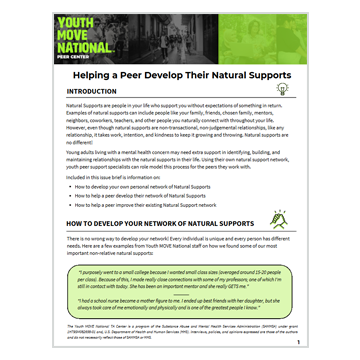
Youth Move National: Mental Health Support Tools
Youth MOVE is a youth-driven, chapter membership organization focused on improving systems and services that support positive growth and development. This includes training and professional development for mental health workers, with a focus on strengthening youth voice, peer support, and leadership in systems of care. Other tools and resources are designed specifically for young people, to use themselves or in their role as a peer supporter or advocate.
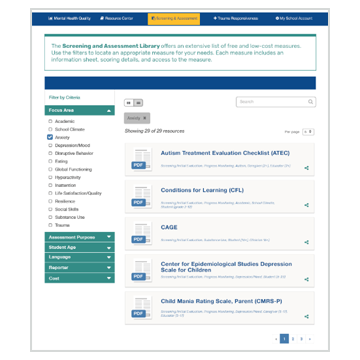
PK-12 Mental Health Screening & Tiered Support Planning Tools
These tools provide an orientation to different mental health and social emotional/behavioral assessment screeners schools can use to identify students who may need targeted or intensive support. The SHAPE library is free to use but requires users to register for an account.
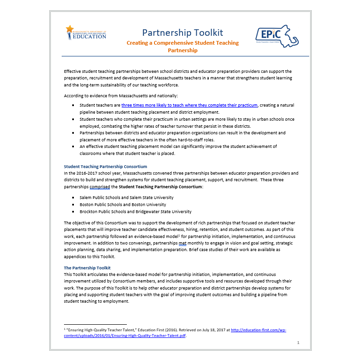
Building & Sustaining a Comprehensive Student Teaching Partnership Toolkit
Tools to help educator preparation and district partnerships develop systems for placing and supporting student teachers with the goal of improving student outcomes and building a pipeline from student teaching to employment.
← Return to Find Resources | MTSS